Chatbot

Oct 15, 2025
Sprio
Types of Chatbots: A Complete Guide to Modern Conversational AI
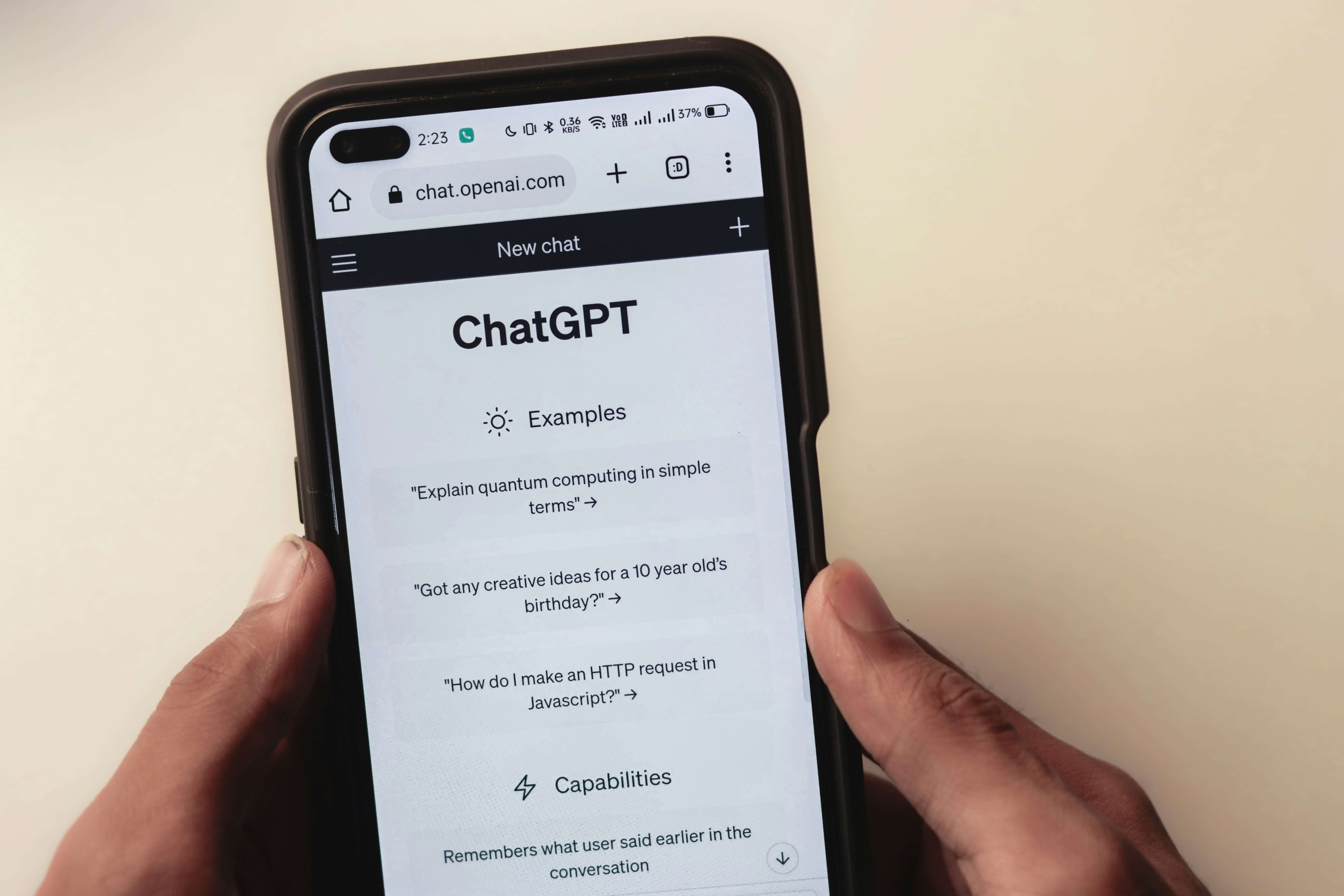
Chatbots have become an integral part of modern customer experience (CX) strategies. From answering FAQs to managing complex interactions, they’re transforming how businesses communicate. But not all chatbots are the same - and understanding the different types of chatbots can help you choose the right one for your goals.
In this blog, we’ll explore the key types of chatbots - from rule-based to AI-driven models - their capabilities, use cases, and how they impact customer engagement. Whether you’re building a support bot or automating sales conversations, knowing what’s available helps you design smarter, more human-like interactions.
What Are Chatbots and Why Do They Matter?
Chatbots are software applications designed to simulate human conversation. They can interact with users via text, voice, or both - helping businesses automate support, sales, and internal operations.
The Role of Chatbots in Business Communication
Modern enterprises use chatbots to enhance customer engagement, reduce wait times, and deliver 24/7 assistance. According to Gartner, over 70% of customer interactions today involve emerging technologies such as chatbots, machine learning, and automation.
Why Understanding Chatbot Types Is Important
Choosing the right chatbot type ensures efficiency and customer satisfaction. A rule-based chatbot might be perfect for handling repetitive queries, while an AI-driven one could provide personalized support at scale.
Key Types of Chatbots Explained
Let’s look at the main categories of chatbots that businesses use today - each with distinct capabilities and applications.
1. Rule-Based Chatbots (Keyword or Flow-Based Bots)
These chatbots follow predefined rules and scripts. They respond to specific keywords or decision trees set by developers.
How They Work
Users interact through structured options or triggers. For instance, typing “support” might lead to a menu of help topics.
Ideal Use Cases
FAQs or basic product information
Appointment scheduling
Order tracking
Example: A telecom brand may deploy a rule-based chatbot to answer billing queries instantly.
2. AI-Powered Chatbots (Conversational AI)
AI chatbots leverage Natural Language Processing (NLP) and Machine Learning (ML) to understand intent and context, offering human-like responses.
How They Work
These chatbots continuously learn from interactions, improving accuracy over time. They can handle unstructured queries and respond conversationally.
Ideal Use Cases
Customer support automation
Lead generation and qualification
Personalized product recommendations
Example: A banking chatbot using NLP can interpret “I lost my card” and trigger card-blocking actions automatically.
3. Hybrid Chatbots
Hybrid chatbots combine rule-based logic with AI-driven intelligence. They can switch between automated scripts and AI-based understanding depending on query complexity.
How They Work
They handle predictable interactions via set flows and escalate nuanced conversations to AI or human agents.
Ideal Use Cases
Omnichannel customer engagement
Support desks with varying complexity
Enterprises needing both automation and accuracy
Example: A travel company may use a hybrid chatbot to book tickets via menus and answer destination queries via AI.
4. Voice Chatbots (Voice Assistants)
These chatbots engage through spoken language using speech recognition and text-to-speech technologies.
How They Work
Voice chatbots like Alexa or Google Assistant process user speech, convert it to text, interpret it, and respond verbally.
Ideal Use Cases
Hands-free customer support
In-car assistance
Smart home systems
Example: A voice chatbot in healthcare can help patients schedule appointments through natural speech.
5. Social Media and Messaging Chatbots
These chatbots are integrated with messaging platforms like WhatsApp, Facebook Messenger, or Instagram to facilitate conversational commerce.
How They Work
They use platform APIs to automate interactions - sending notifications, processing orders, or engaging users directly within the app.
Ideal Use Cases
Social commerce and promotions
Real-time support on social platforms
Campaign engagement and lead generation
Example: A retail brand uses a Messenger chatbot to recommend outfits and share personalized discounts.
How Spiro.ai Enables Smarter Chatbots
Spiro.ai’s Conversational AI platform empowers businesses to build dynamic chatbots that combine rule-based workflows with Generative AI.
Key Capabilities
Multilingual NLP: Understands 100+ languages.
Contextual Conversations: Maintains memory across channels.
Omnichannel Integration: Deploys bots on web, app, voice, and social channels.
Seamless Handoff: Transfers complex cases to live agents efficiently.
With Spiro.ai, enterprises can create AI chatbots that deliver empathetic, human-like customer experiences while maintaining operational efficiency.
Future of Chatbots and Customer Experience
The next generation of chatbots will move beyond reactive support to proactive engagement. They’ll predict user needs, personalize experiences, and act as digital CX assistants.
Trends Shaping the Future
Integration with Generative AI for dynamic responses
Use of emotion AI to detect sentiment
Hyper-personalization through contextual data
Businesses that adopt these advanced chatbot models early will lead in customer satisfaction and loyalty.
Conclusion
Chatbots are no longer simple virtual assistants - they are strategic tools redefining customer engagement. From rule-based bots handling FAQs to AI-driven conversational systems managing complex interactions, each type plays a unique role in the CX landscape.
To choose the right chatbot, assess your business goals, customer needs, and desired level of automation. Platforms like Spiro.ai make it easier to design and deploy the perfect blend of intelligence and efficiency.
Explore how AI-powered chatbots can elevate your customer experience today.
FAQs
1. What is the most common type of chatbot?
Rule-based chatbots are the most common due to their simplicity and quick deployment for basic interactions.
2. What makes AI chatbots different from rule-based chatbots?
AI chatbots use NLP and ML to understand user intent and context, enabling them to deliver more natural, flexible responses.
3. How can businesses choose the right chatbot type?
Consider your use case, customer expectations, and scalability needs. A hybrid or AI-driven bot is ideal for growing businesses seeking personalization.
Reinvent business communication with AI
Supercharge your operations with AI-driven messaging, voice, and automation—built for scale, speed, and real-time results.